Project Planning
We Execute every project with Project Planning
-
Objective of Project Planning
-
Define clear project goals and deliverables
-
Establish timelines, budgets, and resource allocation
-
Identify potential risks and mitigation strategies.
-
Ensure coordination between multidisciplinary teams.
Key Stages of Project Planning
-
a. InitiationStage
-
Define project scope and objectives.
-
Identify stakeholders and establish communication channels.
-
Conduct feasibility and risk assessment.
-
b. Scope DefinitionStage
-
Develop a detailed Work Breakdown Structure (WBS).
-
Define project boundaries and deliverables.
-
Create a baseline for cost, time, and quality.
-
c. SchedulingStage
-
Prepare project timeline using tools such as Primavera P6 or MS Project.
-
Define milestones, dependencies, and critical path.
-
Set realistic deadlines for design, procurement, fabrication, and commissioning
-
d. Resource PlanningStage
-
Identify manpower, equipment, and materials required.
-
Develop procurement and mobilization strategy.
-
Optimize resource utilization to avoid bottlenecks.
-
e. Cost Estimation and BudgetingStage
-
Estimate project costs by activity and discipline.
-
Prepare cost breakdown structure (CBS).
-
Track budget versus actual expenditure.
-
f. Risk ManagementStage
-
Identify technical, financial, and scheduling risks
-
Assess likelihood and impact.
-
Develop risk mitigation and contingency plans.
-
g. Communication and DocumentationStage
-
Establish document control and reporting systems.
-
Schedule regular progress meetings and updates.
-
Maintain transparency across stakeholders.
Benefits of Effective Project Planning
-
Minimizes delays and cost overruns.
-
Enhances coordination between engineering, procurement, and construction.
-
Improves visibility on project progress and performance.
-
Ensures on-time delivery and client satisfaction
We follow check list for all projects
Our team develops detailed Project Execution Plans (PEP), Work Breakdown Structures (WBS), and progress monitoring systems to maintain full control over project timelines and deliverables. To ensure consistency and accuracy across all our projects, we follow a structured checklist at every stage — from design and documentation to procurement and construction. This systematic approach helps identify potential challenges early, ensures adherence to engineering standards, and guarantees project success through disciplined execution and coordination.

P&ID Check List

3D Model Check List

Isometric Check List
We follow productivity improvement culture
Productivity Improvement Culture
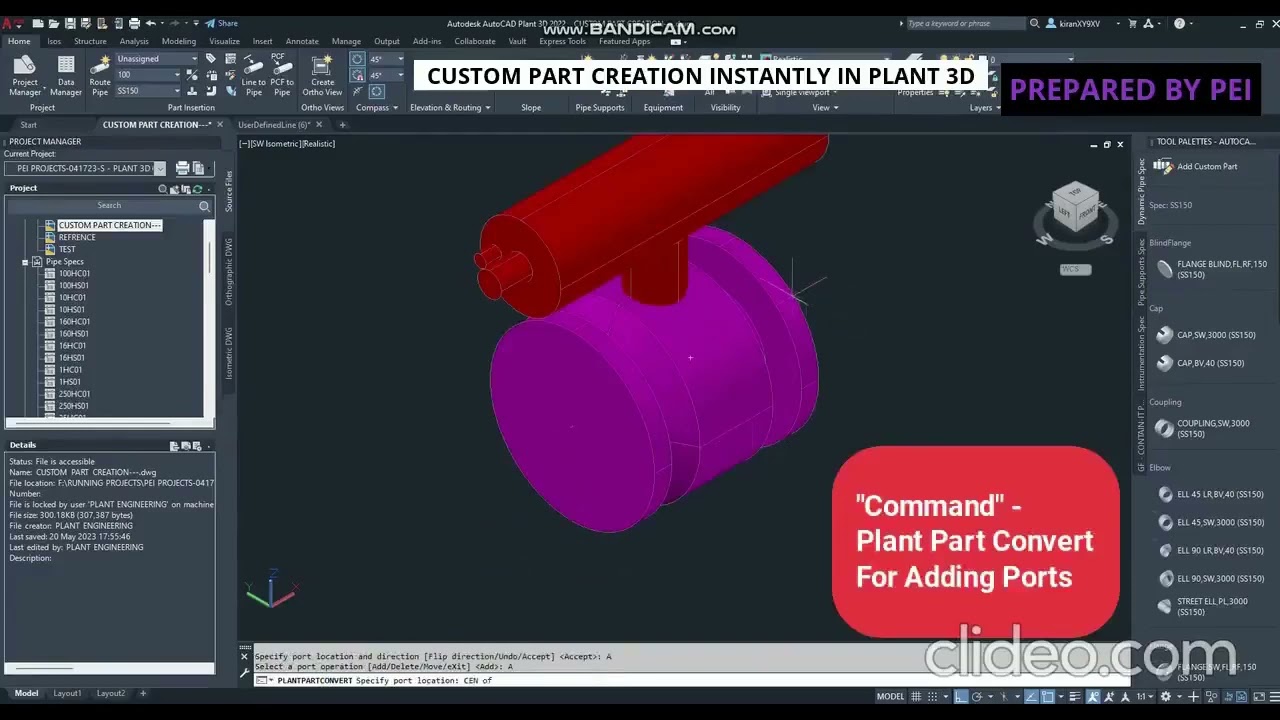
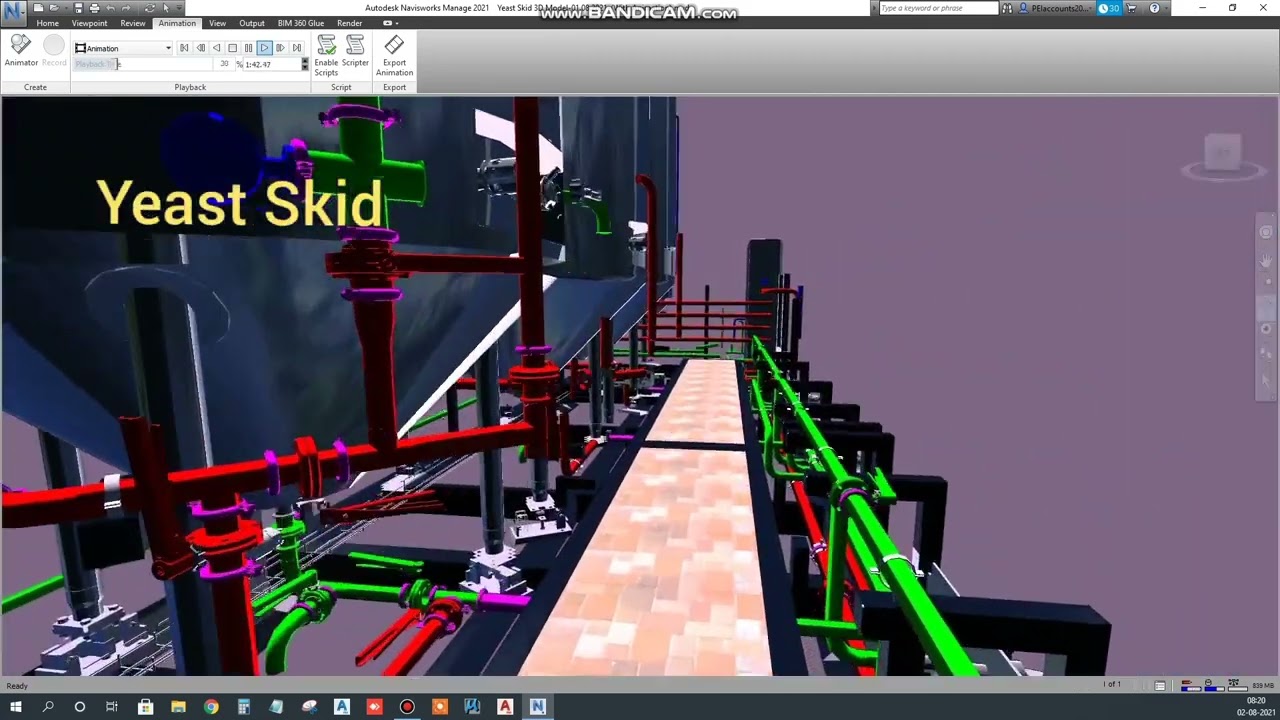
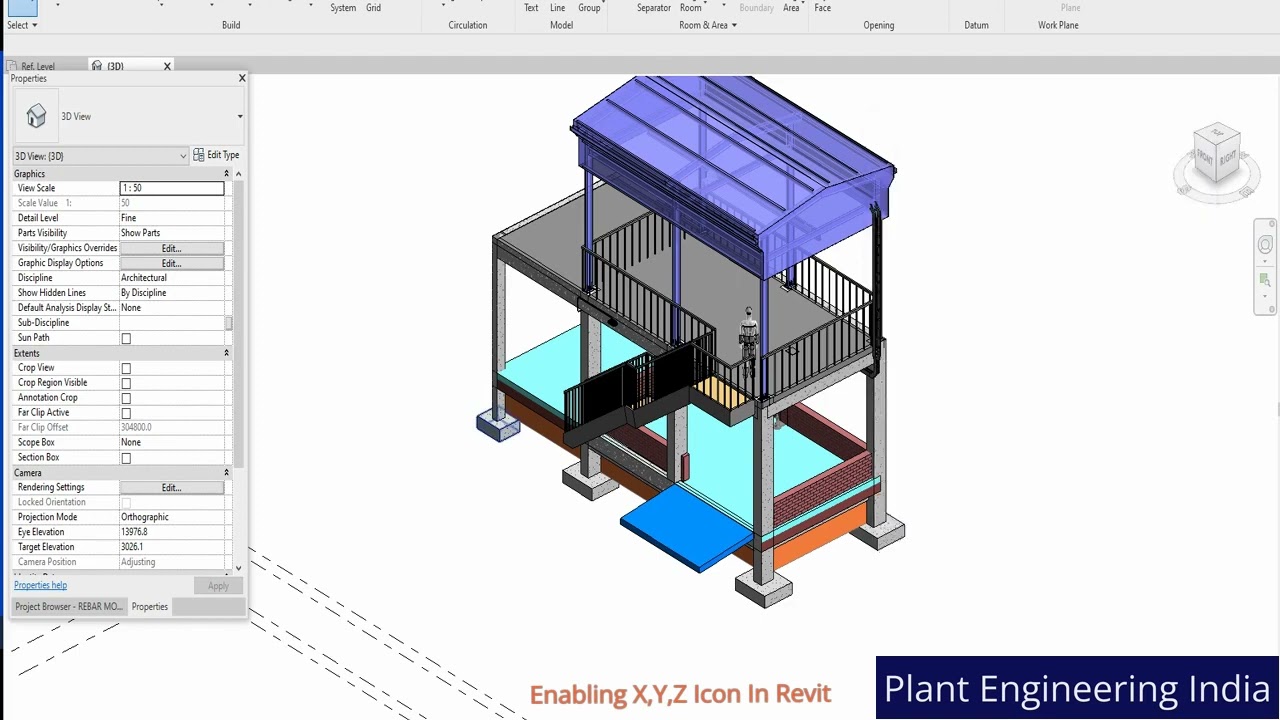
We follow a strong productivity improvement culture across all our engineering and project execution activities. Our team continuously evaluates processes, tools, and workflows to identify opportunities for optimization. By integrating advanced design software, automation techniques, and standardized checklists, we minimize repetitive tasks and enhance overall efficiency. This culture of continuous improvement enables faster turnaround, higher quality deliverables, and better coordination between multidisciplinary teams. Every project we execute benefits from our commitment to innovation, smart engineering practices, and measurable productivity gains.
Productivity Improvements Videos
3:40
1:18
1:31
1:31
2:00
0:58
1:08
Design Calculation Development
We develop all identified design-related calculations in parallel with project activities, ensuring that technical solutions are readily available to support each project task. This proactive approach helps in quick decision-making, reduces design delays, and enhances coordination across disciplines, resulting in efficient and timely project execution.